Selling your home at auction can be exciting, but if you haven't been through the process before, it's natural to feel a little nervous about what happens on the day. Will buyers turn up? What if nobody starts the bidding? What happens if the bidding stops before reaching your reserve?
These are all questions I regularly discuss with sellers when we're considering an auction campaign.
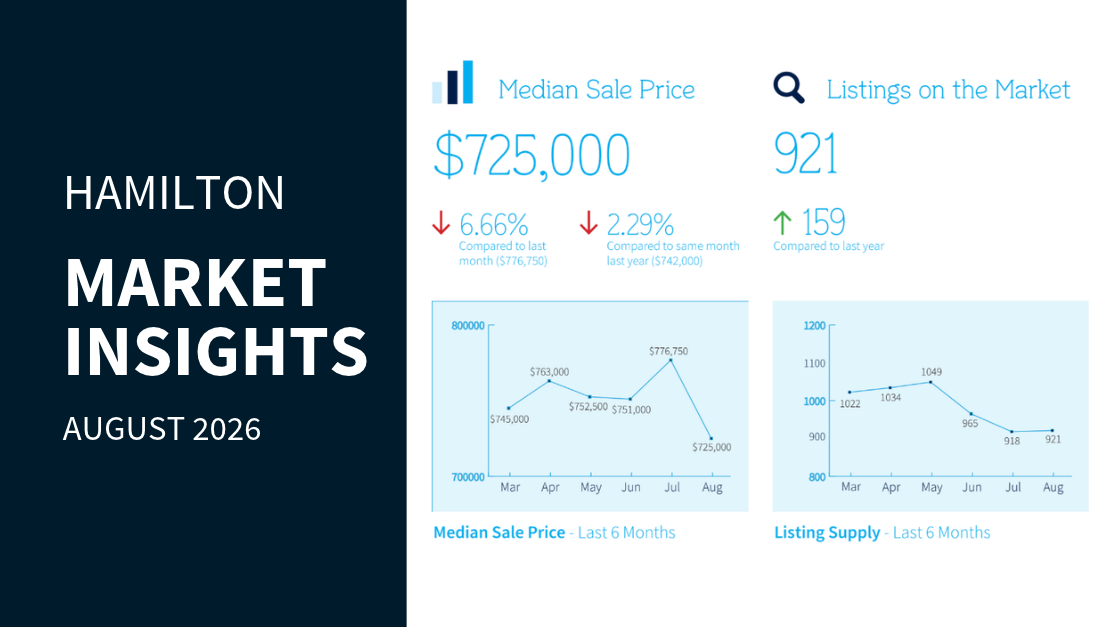
There's a good reason why auction is worth considering. Recent Harcourts Hamilton figures show that auction campaigns are achieving strong results, with properties selling faster and a higher proportion of successful sales compared with other methods.

But one of the things I particularly like about auction is that it creates opportunities to sell before, during and even after auction day.
There's also often more happening behind the scenes than you might realise. Our auctioneer and I work closely together to encourage competition, explore opportunities and help achieve the strongest possible result for your property.
Here's what you can expect on auction day, including the decisions you may need to make along the way.
Before auction day: Understanding your reserve and bottom line
Before auction day, we'll meet to discuss your reserve price, your "bottom line", review the feedback from interested buyers and talk through the different scenarios that could unfold on the day.
Setting your reserve price
Your reserve is the minimum price at which you've authorised the auctioneer to sell your property.
It's a confidential figure agreed upon before the auction, taking into account your expectations, market conditions and the feedback we've received throughout the campaign.
Once bidding reaches your reserve, the auctioneer can declare the property on the market, meaning it will be sold to the highest bidder. If bidding doesn't reach your reserve, the property cannot be sold at auction without your agreement to accept a lower price.
Knowing your bottom line
There's another number I encourage sellers to think about before auction day: their bottom line. This is the figure you might ultimately be prepared to accept if bidding doesn't quite reach your expectations.
For example, what would you do if bidding stopped just short of your reserve, but you had an unconditional buyer ready to purchase your property? Would you be comfortable accepting their offer, or would you prefer to continue marketing the property?
There's no right or wrong answer. What's important is that you've considered your options before you're faced with making that decision. The last thing I want is for you to feel pressured into making a decision on the day that you haven't had time to think through properly.
My role is to make sure you're well prepared, understand your options and feel confident about the decisions you're making.
What happens if you receive an offer prior to the auction?
Sometimes a buyer is particularly keen on your property and doesn't want to wait until the advertised auction day, when more competition may have built up.
The good news is that if you accept a pre-auction offer, you're effectively securing an unconditional sale at a price you're happy with, while still having the opportunity to achieve an even better result at auction.
Here's how it works.
If a buyer puts forward an offer you'd be comfortable accepting, we can agree to bring the auction forward. Their offer then becomes the opening bid, and any other interested buyers still have the opportunity to compete.
If nobody bids above that amount, the original buyer purchases your property at the agreed price. If other buyers continue bidding, the auction carries on and your property is sold to the highest bidder.
Of course, deciding whether to accept a pre-auction offer is an important decision. We'll look at the offer, the feedback we've received throughout the campaign and whether bringing the auction forward makes sense for you.
My role is to make sure you understand your options and feel comfortable with the decision you're making.
Getting the bidding started
When the auction begins, our auctioneer will introduce your property, outline the relevant auction conditions and invite buyers to start bidding.
Sometimes, nobody puts their hand up straight away! That can feel a little uncomfortable when you're the seller, but a quiet start isn't unusual. Buyers may be waiting to see what others are prepared to offer, or they might simply be reluctant to make the first move.
Our auctioneer is experienced in managing these situations and may choose to open the bidding with a vendor bid, which is a bid made by the auctioneer on behalf of the seller. It must be clearly identified as such and made in accordance with the auction conditions.
The aim is to get the auction underway and encourage genuine buyers to participate.
Once buyers start bidding, the auctioneer works to build momentum and encourage competition. After all, we want every interested buyer to have the opportunity to put their best offer forward.
The opening bid doesn't determine the final result. What matters is where the bidding finishes.
What happens when the bidding slows or stops?
This is where things can get particularly interesting. You might have several buyers actively bidding against one another, only for the bidding to slow or stop before reaching your reserve. That doesn't necessarily mean we've reached the end of the road.
Depending on how the auction is progressing, our auctioneer may pause proceedings, creating an opportunity to speak privately with the highest bidder.
The aim is to establish whether they're prepared to increase their offer. Sometimes buyers have more room to move than their last bid might suggest. Other times, they've genuinely reached their limit. Our auctioneer will work to establish the buyer's position before we come back to you to discuss the result and your options.
This is where the work happening behind the scenes can make a real difference.
Rather than simply accepting that the bidding has stopped, we're continuing the conversation with interested buyers to see whether there's an opportunity to achieve a better result.
Throughout this process, I'll keep you informed about what's happening, what we're hearing from buyers and what it means for your next decision.
When your property is declared on the market
One of the moments sellers often look forward to is hearing the auctioneer announce that their property is officially on the market. This means the property has reached the agreed reserve and will be sold to the highest bidder.
But here's something you might not realise: declaring a property on the market can sometimes encourage further bidding.
Until that point, buyers may be uncertain whether the property is actually going to sell. Once the auctioneer announces that it's on the market, they know the property will be sold and that the next bid could be the one that secures it. For buyers who have their hearts set on the property, that can create an added sense of urgency.
Our auctioneer may also seek your instructions about declaring the property on the market if bidding is close to your reserve and competition is starting to slow. In some circumstances, keeping the auction moving rather than pausing proceedings can help maintain buyer momentum and encourage further bidding.
However, that decision is always yours to make.
If you're comfortable accepting the current bidding level, we can give the auctioneer instructions to proceed. If you're not, we can discuss the other options available.
Once the property is on the market, bidding can continue until no further offers are made. The highest bidder then becomes the successful purchaser, and the sale is unconditional.
What if your property doesn't sell at auction?
Not every property sells under the hammer.
Sometimes bidding doesn't reach the reserve. Other times, there may be interested buyers who aren't quite ready to bid on the day. While that can be disappointing, it doesn't mean the auction campaign has been unsuccessful or that we've run out of options.
In fact, the campaign has already given us valuable information about buyer interest, feedback and the price buyers may be prepared to pay.
If your property doesn't sell at auction, our auctioneer will conclude proceedings and the property will be passed in. From there, we can continue working with interested buyers.
This might involve further negotiations with the highest bidder, following up with other buyers who attended the auction or discussing a different approach to the next stage of marketing.
Sometimes a buyer who wasn't prepared to bid at auction may be more comfortable negotiating privately afterwards. Other buyers may need different settlement dates or conditions before they're in a position to make an offer.
My job is to understand those circumstances, keep the conversations going and look for opportunities to bring a sale together. The work doesn't stop just because the auction has finished. We'll review the outcome, discuss the feedback and agree on the next steps together.
Making the right decision for you
One of the things I like about the auction process is that it brings interested buyers together and gives us an opportunity to establish what they're prepared to pay within a defined timeframe.
But the final result isn't something we can know in advance. That's why I place so much importance on the preparation leading up to auction day. Before your property goes under the hammer, I want you to understand how the process works, what your options are and what different outcomes might mean for you.
If bidding exceeds your expectations, fantastic! If it falls short, we'll work through the options and decide on the next steps. And if your property doesn't sell on the day, we'll continue working towards the result you're looking for.
For me, a successful auction campaign isn't simply about what happens when the hammer falls. It's about the preparation, communication and work that goes into giving your property the best possible opportunity to achieve a strong result.
Thinking about selling?
Every property is different, and auction isn't necessarily the right approach for every property or seller.
If you're considering selling, I'd be happy to talk you through how an auction campaign could work for your property, what you can expect along the way and whether it's the right approach for your circumstances.
Let's grab a coffee and have a chat about your options.