
Direct-fixed monolithic exteriors: a reason to investigate, not automatically walk away
Mention a home has a direct-fixed monolithic exterior and, for some buyers, their minds quickly jump to the leaky home issues that have cast a long shadow over New Zealand’s property market for years.
I understand why. New Zealand’s history with weathertightness issues means buyers are right to be cautious, particularly with certain homes built during the 1990s and early 2000s. MBIE’s own weathertightness guidance identifies direct-fixed monolithic cladding as one of the characteristics commonly associated with homes from that period that experienced problems.
But I think it’s important to look at the house, not just the label.
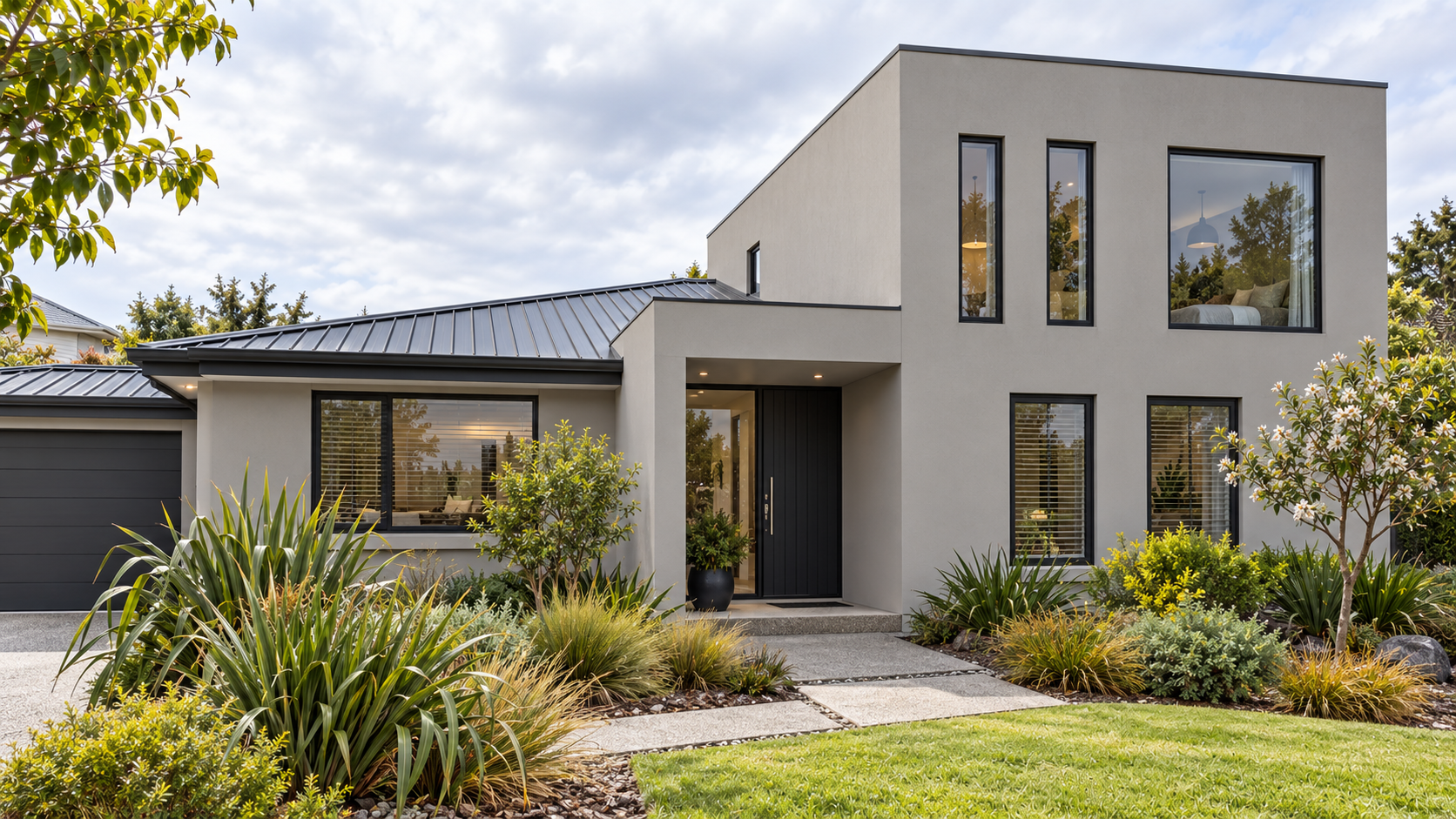
Having a direct-fixed monolithic exterior doesn't automatically mean a home is defective or leaking. I've seen some beautifully designed homes with great layouts, architectural features and locations that buyers can dismiss before properly investigating them.
For me, the better approach is not to ignore the risk, but to understand it.
What does direct-fixed actually mean?
Put simply, direct-fixed means the monolithic cladding is fixed over the building underlay without a drained cavity between the cladding and the wall framing.
A cavity provides an additional means of drainage and drying if moisture gets behind the exterior cladding. Without that cavity, the design, construction, detailing and ongoing maintenance of the exterior become particularly important.
That's why I wouldn't suggest treating a home with a direct-fixed monolithic exterior in exactly the same way as every other property you're considering.
Get the right inspection
A standard pre-purchase building inspection is important with any home, but if you're considering a property with a direct-fixed monolithic exterior, I would go a step further and use a qualified building inspector with specialist weathertightness knowledge.
A general building inspection may not include the specialist experience, testing methods or equipment needed to properly assess potential weathertightness issues, so it’s worth making sure the person you engage is appropriately qualified for this type of property.
If you need someone, I have a specialist I know and trust who I’m happy to refer you to.
The important thing is understanding the condition of this particular house, rather than making a decision based solely on the type of exterior.
Understand the home maintenance history
Maintenance history is another important piece of the puzzle.
As a general guide, some direct-fixed monolithic cladding systems may require recoating around every 5–7 years, sometimes using a specialist flexible coating designed to help maintain weathertightness.
The exact frequency and product required will depend on the particular cladding system, its condition and the environment the home is exposed to.
It’s important to follow the manufacturer’s maintenance recommendations rather than assume the same interval or coating applies to every property.
If you're considering buying, I'd be asking questions such as:
- When was the exterior last painted or recoated?
- What products and coating system were used?
- Has cracking or other damage been repaired as it has appeared?
- Are there invoices, receipts or other records showing the maintenance that has been carried out?
A good maintenance history doesn't remove the need for proper due diligence, but it can help you build a much clearer picture of how the property has been looked after.
Don't forget the future maintenance cost
It's also worth looking beyond whether the house is sound today.
If you're buying a home with a direct-fixed monolithic exterior, understand the maintenance it will require and factor that into your future budget.
If repainting, recoating or remedial work is likely within the next few years, that's useful information to have before making an offer. It doesn't necessarily make the property a bad purchase — it simply needs to be part of the numbers.
And if an inspection does identify cracking or another concern, don't immediately assume it means the whole property requires major remediation.
Talk to the specialist about what they've found, the likely cause, the extent of the issue and what would be required to fix it before deciding how significant it is.
What this means for sellers
If you own a home with a direct-fixed monolithic exterior and are considering selling, I'd recommend addressing these questions before your property goes on the market.
Having an inspection carried out by someone with appropriate weathertightness expertise can give you a clearer understanding of the home's condition and identify anything worth addressing before buyers begin carrying out their own due diligence.
I'd also gather together any maintenance history you have — invoices for repainting or recoating, repairs, specialist reports, warranties and other relevant documentation.
If something does need attention, knowing early gives you options. You may decide to remedy it before selling, obtain quotes so buyers understand the likely cost, or take it into account when setting your price expectations.
Most importantly, it allows you to go to market properly informed rather than having an issue first raised during a buyer's inspection when you're already in negotiations.
Look at the house, not just the label
Homes with direct-fixed monolithic exteriors do deserve careful due diligence, but I don't think the words "direct-fixed monolithic" should automatically translate to "don't buy it."
A well-designed home that has been properly maintained and performs well under an appropriate specialist inspection may still be worth serious consideration — particularly if other buyers have discounted it purely because of the exterior.
Understand what you're buying, get the right people to inspect it and make the decision based on the actual property in front of you.
If you're considering buying or selling a home with a direct-fixed monolithic exterior around Hamilton, I'm happy to talk through the steps I'd suggest taking before you make any decisions.