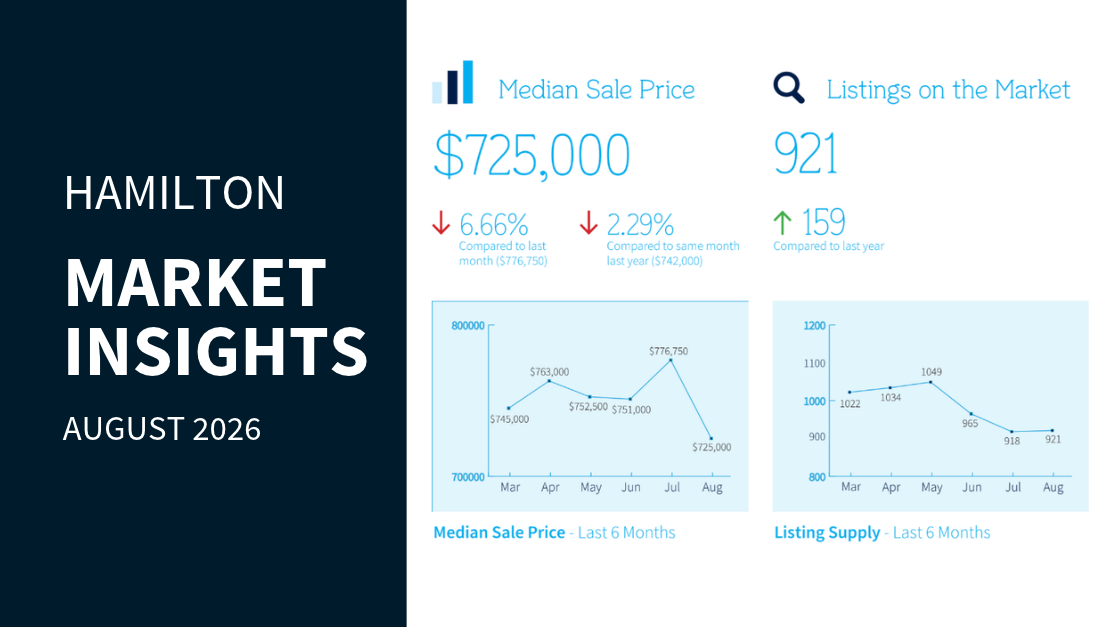
Spring has brought a noticeable increase in the number of homes for sale across Hamilton.
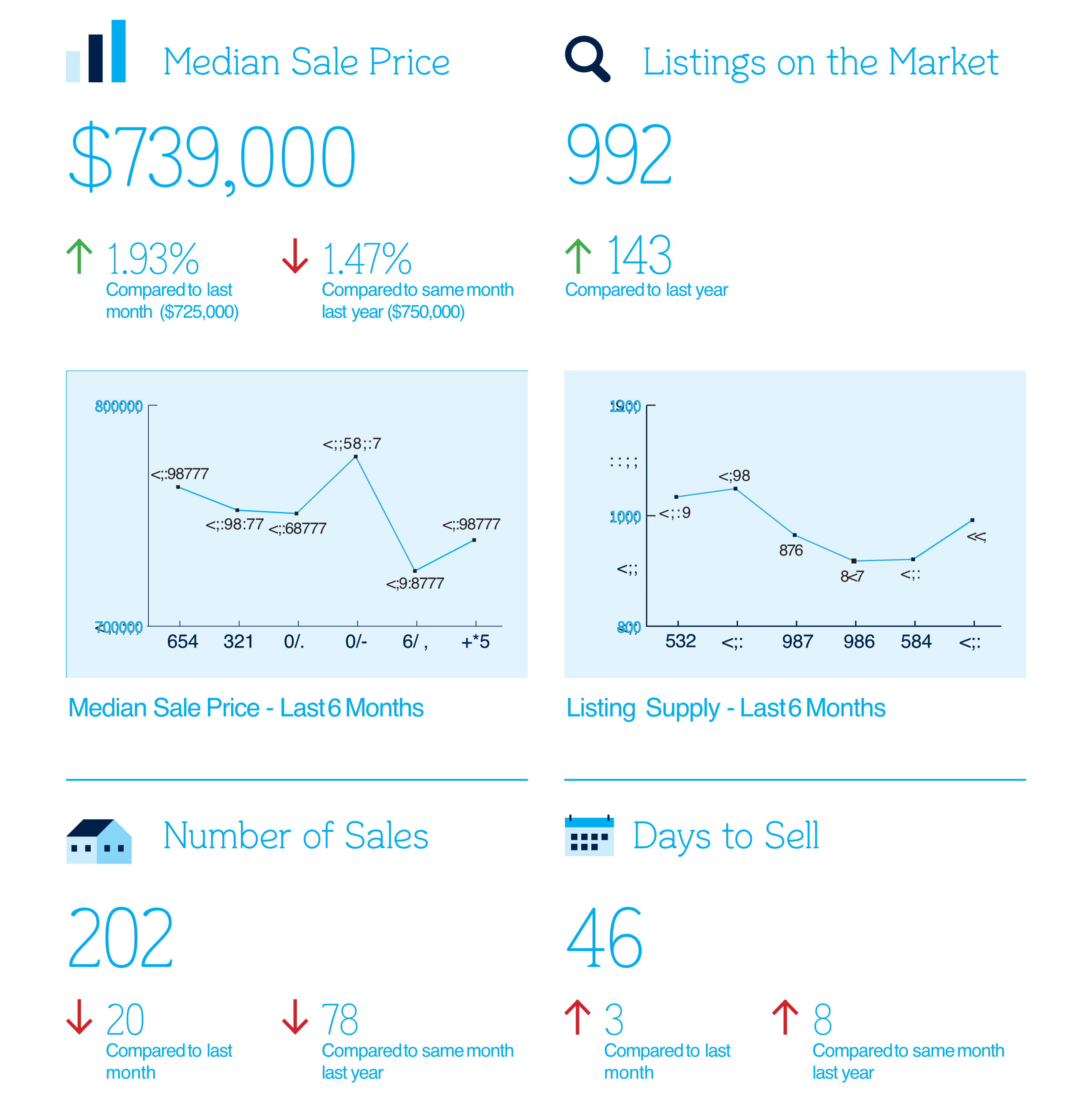
There were 992 homes available at the end of September, up from 918 in August and 143 more than this time last year. At the same time, 202 properties sold during the month, down from 222 in August, and the time to sell stretched to 46 days.
Interestingly, despite increased competition among sellers, Hamilton's median sale price rose $14,000 from August to $739,000, although it remains below the $750,000 recorded in September last year.
Put simply, the number of homes available is increasing while sales activity has slowed. That gives buyers more choice and means sellers are competing harder for their attention.
This aligns with what I'm seeing on the ground. Homes that are well prepared, well presented and priced appropriately are still attracting good interest. But with nearly 1,000 properties now on the market, how a home is presented and brought to market can make a real difference.
It's also worth looking beyond the overall Hamilton figures, as conditions can vary depending on the type and price of property.
Three-bedroom homes continue to make up the largest part of the market, with 454 available compared with 95 sales during September. There were also 223 four-bedroom homes available, compared with 46 sales.
Some price ranges are seeing stronger activity than others, which is why it's important to understand not just what the wider market is doing, but how your particular property compares with others that buyers are considering.
Council valuations are another area worth looking at. In September, Hamilton's median sale price of $739,000 was 4.1% above the median CV of $710,000, compared with 3.6% in August. While these figures don't tell us how individual properties are selling against their CVs, they're a useful reminder that council valuations are only one part of the picture. Recent comparable sales, property condition, presentation and buyer demand are all important when working out what a home might achieve in today's market.
Interest rates are worth keeping an eye on
The Reserve Bank increased the Official Cash Rate (OCR) by another 0.25% in September, bringing it to 2.75%. This was the second increase in a row and had been widely expected.
We've seen that feed through more noticeably into shorter-term borrowing rates, while longer fixed-term rates have been more stable. The Reserve Bank has also indicated that another OCR increase may be needed this year, although that will depend on how inflation and the wider economy are tracking.
What this means for sellers
More choice has reduced urgency. With more homes available, buyers can afford to be a little more selective. They're taking more time to compare properties and may be less willing to overlook shortcomings in presentation, condition or pricing.
That makes your first few weeks on the market particularly important. Homes priced in line with recent comparable sales are more likely to attract early interest, while those priced on hope rather than market evidence can sit for longer, making it harder to build momentum.
If you're hoping to sell before Christmas, timing is also worth considering. With Hamilton homes currently taking around 46 days to sell, getting started sooner rather than later gives you time to prepare properly and work through the sale process.
Even if you're not quite ready to put your home on the market, there's plenty you can do now. Sometimes relatively simple improvements can make a real difference to how buyers respond, and having a clear plan in place can help you feel more confident about your next steps.
What this means for buyers
For buyers, September's increase in properties available is encouraging.
There's more to choose from than this time last year, and in many cases, a little more breathing room to explore your options without feeling rushed into a decision. It's a good opportunity to look at different properties, compare recent sales and get a clearer understanding of what represents good value for your budget.
It doesn't mean every property will be easy to negotiate on. Well priced homes that tick the right boxes can still attract competition, and the data shows some price ranges are moving much quicker than others.
Interest rates are another consideration. With the OCR having increased and further changes possible, I'd encourage buyers to talk with their bank or mortgage adviser about what they can comfortably afford, both now and if rates change.
Rather than trying to predict where interest rates or property prices might go next, I'd focus on finding a home that suits your needs and a financial commitment you're comfortable with. With plenty of choice currently available, it's a good opportunity to explore your options and make a decision that feels right for you.
Looking ahead
With the 7 November election approaching, it's understandable that some buyers and sellers may prefer to wait until the result is known before making any big decisions.
Elections can bring a degree of uncertainty, particularly when housing and the wider economy are part of the conversation. But history suggests their longer-term influence on property prices is generally less significant than factors such as interest rates, housing supply and buyer demand.
Experience has shown that the right time to buy or sell has much more to do with your own circumstances than what's happening politically. Moving home is a big decision, and I believe it's important that you feel comfortable and confident about taking that next step.
If you're thinking about selling but aren't quite ready, that's absolutely fine too. There's plenty we can do in the meantime, from understanding what your property might be worth to looking at how best to prepare it for the market. That way, when the time feels right, you'll have a plan in place.
Whatever you're considering, I'm always happy to have a chat, share what I'm seeing locally and help you work through your options. Sometimes a conversation is a good place to start.
September 2026 Data Sources: Monarch Real Estate Limited, REINZ and Reserve Bank of New Zealand.